
Top 10 Monsoon Hair Care Tips to Protect Your Hair from Rain, Frizz, and Hair Fall
The arrival of the monsoon brings welcome relief from the summer heat, but it can also be one of the most challenging seasons for your hair. While the cool weather feels refreshing, high humidity, rainwater, pollution, and excess moisture can leave your hair frizzy, weak, oily, and highly prone to monsoon hair fall.
Many people think that rainwater is clean, but in urban environments, it often contains dust, pollutants, and impurities that directly impact your scalp and hair health. Combined with increased humidity, this creates the perfect environment for dandruff, fungal infections, and excessive oil buildup.
The good news? A few simple tweaks to your daily routine can make a massive difference. Whether your hair is straight, curly, chemically treated, or colour-treated, following the right monsoon hair care routinewill help keep them in excellent health!
For daily tips and transformations, make sure to follow B-Aesthetico’s Instagram page.
Here are our top 10 expert-approved tips to protect your hair this rainy season.
Why Does Hair Get Damaged During Monsoon?
Before diving into the solutions, it is important to understand why the rainy season causes severe hair damage. Our expert dermatologists agree that monsoon hair damage is mainly triggered by four factors: high humidity, acidic rainwater, fungal infections, and weak roots.
Increased Humidity Causes Frizz
High humiditylifts the outer layer (cuticle) of the hair shaft, allowing external moisture to enter. This causes the hair to swell, making it appear rough, dry, and frizzy. To fight this, using a product that seals the cuticle, like the B-Aesthetico’s Keratin Hair Mask, is essential for maintaining frizz-free hair during the monsoon.
You can read more about managing unmanageable textures in our guide on Hair Care Mistakes to Avoid for Healthy Hair.
Rainwater Is Highly Polluted
Acidic rainwatercarries airborne pollutants, urban acid, and dust. Leaving dirty rainwater on your scalp for extended periods contributes directly to scalp irritation, extreme dryness, and weakened hair roots. Protecting your scalp barrier is just as important as protecting your face, a topic we cover extensively in our Ultimate Monsoon Skincare & Haircare Routine.
Excess Moisture Leads to Scalp Infections
A warm, damp scalp creates the ideal breeding ground for dandruff-causing microbes and fungal growth. This trapped moisture is the main reason why you may experience severe itching and flakes during July and August. Keeping the roots purified with a targeted solution like the B-Aesthetico’s Detox Hair Mistprevents these monsoon scalp infectionsfrom taking hold before they start.
Weakened Hair Roots and Hair Fall
Humidity, trapped sweat, and heavy product buildup make the hair physically heavier, putting severe strain on your hair follicles. This constant tension directly leads to excessive hair shedding and thinning. If your hair is already compromised, our deep dive on the Best Hair Care Products for Repairing Damaged Hairis the perfect starting point to reverse the damage and stop monsoon hair fall.
Top 10 Monsoon Hair Care Tips
This is what you’ve been waiting for. Make sure to read them thoroughly and take each point to heart!
Don't Let Rainwater Stay on Your Hair
If you get caught in the rain, wash your hair with clean water as soon as possible. This removes acidic pollutants and prevents residue from clogging your scalp pores. Never tie up wet, rain-soaked hair, as trapped moisture speeds up fungal growth and dandruff.
Wash Your Hair Regularly
Monsoon weather causes the scalp to produce and trap oil much faster. Wash your hair 2–3 times a week using a gentle, sulphate-free cleanser. If you struggle with severe greasiness or frizz, switch to our Sulfate-Free Keratin Shampoo, which effectively removes stubborn product buildup without stripping your hair's natural, protective oils.
Never Leave Your Hair Wet
Wet hair is highly elastic and at its most vulnerable to breakage. After washing:
- Pat dry gentlywith an absorbent microfiber hair towel.
- Avoid vigorous rubbing, which causes severe frizz and split ends.
- Allow your hair to air drywhenever possible.
- If you are in a rush, use a hair dryer on a cool or low-heat setting.
Deep Condition Weekly
Humidity causes frizz, but dry hair makes it worse. Use a nourishing hair mask or deep conditioner once a week to lock in moisture and smooth the cuticle. For long-lasting hydration and frizz control, apply the B-Aesthetico Keratin Hair Maskto your mid-lengths and ends. Packed with premium ingredients, it actively rebuilds the hair shaft for smooth results at home.
Limit Excessive Heat Styling
Frequent use of straighteners and curling irons weakens already stressed monsoon hair. If styling is absolutely necessary, always prep your strands with a reliable heat protectant sprayand keep your tools on the lowest effective temperature to prevent heat damage.
Eat a Hair-Healthy Diet
Healthy hair starts from within. To prevent hair fall naturally, consume a diet rich in protein, iron, zinc, Omega-3 fatty acids, and Biotin. Eggs, nuts, chia seeds, fatty fish, and lentils support strong, and thick hair growth.
Keep Your Scalp Clean and Exfoliated
Almost all monsoon hair problems begin at the roots. A clean scalp promotes healthy hair growthand eliminates dandruff. If your roots look flat, oily, or sweaty after a commute, use the B-Aesthetico Detox Hair Mist. Spray it directly onto the roots, and it will effectively neutralize odors, clear daily sweat buildup, and provide an instant reset without weighing your hair down.
Choose Loose, Protective Hairstyles
Tight ponytails and heavy buns create unnecessary tension on fragile wet hair. During the rainy season, opt for loose braids, soft low ponytails, or claw clips. This minimizes mechanical breakage while allowing crucial airflow to your scalp.
Protect Chemically Treated Hair
If you have recently invested in hair colouring or smoothening, monsoon weather requires extra vigilance. Use only colour-safe productsand shield your hair completely from direct rain. To learn more about maintaining professional results, check out our post on Luxury Hair Care Treatments for Salon Smooth Hair.
Consult a Professional When Needed
Home care forms the foundation, but persistent hair fall, severe dandruff, or extreme frizz often requires clinical intervention. Professional therapies like a restorative Hair Spaor a custom scalp detoxcan rapidly restore your hair's health.
At B-Aesthetico, every treatment is tailored to your unique hair type, ensuring targeted results rather than a one-size-fits-all approach. Book a consultation with our expert doctors today.
Frequently Asked Questions (FAQs)
Q. Should I wash my hair after getting caught in the rain?
Yes. Rinsing your hair immediatelyhelps remove acidic rainwater, urban pollutants, and dirt that settle on your scalp, preventing long-term damage and fungal infections.
Q. Does rainwater directly cause hair fall?
Rainwater itself does not pull hair out, but leaving dirty water on your scalpcombined with high humidity weakens the follicles and causes scalp infections, which heavily contribute to increased hair shedding.
Q. How often should I wash my hair during the monsoon?
For most hair types, washing two to three times a week is optimal. If you have a highly oily scalp or commute daily in heavy pollution, use our Detox Hair Mistbetween washes to reset the scalp without stripping your natural oils.
Q. Why does humidity make my hair so frizzy?
High humidity forces the hair cuticle to openand absorb excess water from the air. This causes the individual hair strands to swell, resulting in a rough, frizzy texture.
Q. Which professional hair treatment is best during the rainy season?
The ideal treatment depends entirely on your current hair health. A deep conditioning Hair Spais great for frizz, while a clinical Scalp Detoxworks wonders for dandruff. We highly recommend scheduling a consultationat B-Aesthetico to determine your perfect match.
What You Should Know
The monsoon doesn't have to mean three months of bad hair days. By combining gentle cleansing, consistent deep conditioning with products like our Sulfate-Free Keratin Shampoo, and consistent scalp care, you can maintain strong, beautiful hair despite the weather.
If you are struggling to control persistent hair fall or unmanageable frizz this season, the experts at B-Aestheticoare here to help. Explore our range of premium hair care productsand let us create a personalised care routine designed specifically for you.
Latest Posts






Related Articles

Ayurvedic Dermatology: Is It Actually Effective? | B-Aesthetico
Is Ayurvedic skincare actually effective? This evidence-based guide to Ayurvedic dermatology explores turmeric, herbal ingredients, ubtans,...

Men vs Women Skincare and Haircare: What’s Actually Different?
Men and women have real differences in skin and hair, but do they actually need different...
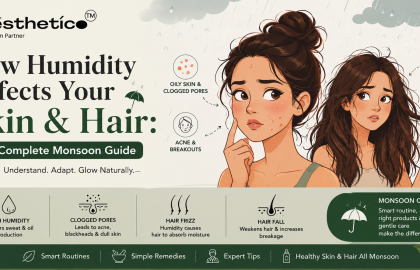
How Humidity Affects Your Skin & Hair: The Complete Monsoon Guide
Why does your face suddenly look oilier in the monsoon? Why does your scalp feel greasy...