
What Actually Helps with Hair Thinning? - The Ultimate Hair Care Guide
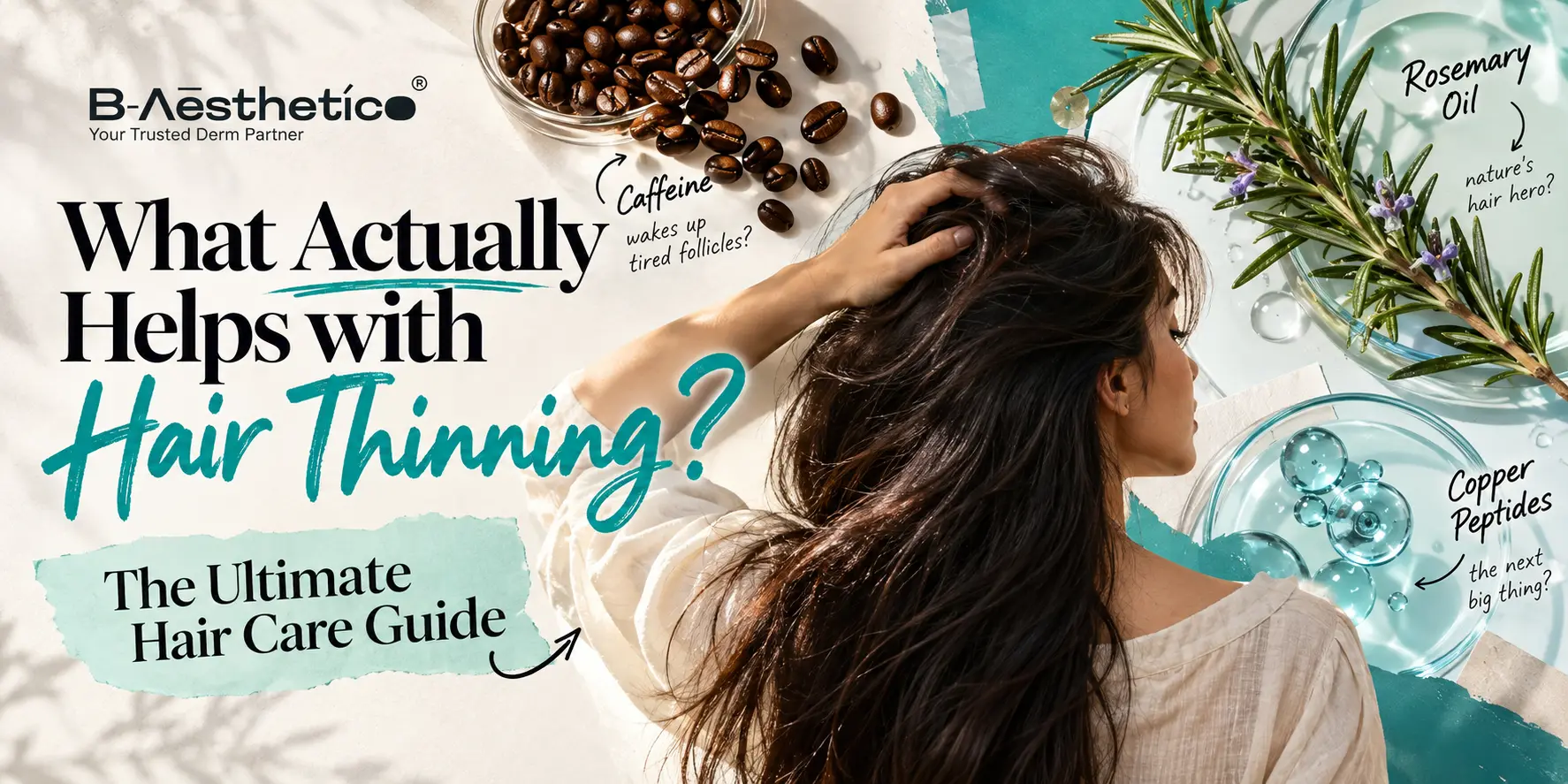
If you've spent any time looking for ways to improve hair growth, you've probably come across three ingredients that keep popping up: caffeine, rosemary oil and copper peptides.
One promises to wake up tired hair follicles. Another has become the internet's favourite natural haircare remedy. And the third, originally popular in advanced skincare, is now making its way into hair growth serums.
But are they actually worth the attention?
The truth is that all three do have some science behind them, but the difference lies in how much research exists, what it tells us and how realistic their benefits are.
Let's take a closer look at the ingredients making waves in modern haircare.
Why Does Hair Actually Become Thinner?
Before choosing a hair growth serum, it helps to understand what's happening at the roots.
One of the most common causes of progressive hair thinning is androgenetic alopecia, also known as pattern hair loss. Genetics and a hormone called DHT (dihydrotestosterone) play an important role.
In people who are genetically sensitive to DHT, hair follicles gradually become smaller. This process, known as follicular miniaturisation, causes them to produce finer, shorter strands over time.
But DHT isn't always the root cause.
Stress, nutritional deficiencies, hormonal changes, thyroid conditions and excessive hair breakage can also make your hair look noticeably thinner.
And that's an important distinction: hair falling from the roots and hair breaking along its length are two different problems.
If scalp health is something you've been overlooking, our Ultimate Guide to Scalp Careis a good place to start.
1. Caffeine for Hair Growth
Caffeine isn't just for keeping you awake during Monday morning after a fun weekend. It has also become a popular ingredient in shampoos, scalp tonics and hair growth serums.
But why put caffeine on your scalp?
Research suggests that caffeine can influence hair follicle activity. A 2007 laboratory studyinvolving human hair follicles found that caffeine could counteract certain growth-suppressing effects of testosterone under experimental conditions.
This is particularly interesting because testosterone-related activity is associated with DHT and pattern hair thinning.
There is also human research worth mentioning. A 2025 systematic reviewexamined nine clinical trials involving 684 participantsusing topical caffeine preparations. The results were encouraging, although the quality of the evidence varied considerably.
So, does that mean caffeine shampoo will give you a fuller head of hair?
Not quite. Caffeine is a promising ingredient, but it hasn't been established as a replacement for clinically proven hair-loss treatments.
What about caffeine shampoo vs serum?
Shampoos are rinsed off relatively quickly, while leave-on serums remain on the scalp for longer. This makes leave-on formulations an interesting option for scalp-focused ingredients, although longer contact doesn't automatically guarantee better results.
2. Rosemary Oil for Hair Growth
Rosemary oil has become something of a celebrity in the haircare world.
From DIY scalp massages to ready-made hair oils, everyone seems to have an opinion about it. And unlike some internet beauty trends, rosemary oil has an interesting clinical study behind its popularity.
A 2015 studycompared rosemary oil with 2% minoxidil in 100 participants experiencing androgenetic alopecia.
After three months, neither group showed a significant increase in hair count. However, after six months, both groups showed improvement compared with their starting measurements.
The researchers did not find a statistically significant difference between the two groups.
Naturally, this generated plenty of excitement. However, one relatively small study doesn't establish that rosemary oil is equivalent to minoxidil. It does give us an interesting reason to investigate rosemary oil further.
Rosemary oil vs rosemary water
You've probably seen both mentioned in haircare routines, but they're not interchangeable.
Rosemary essential oil is a concentrated preparation containing volatile plant compounds. Rosemary water is a water-based preparation with a different composition.
The clinical research discussed above investigated rosemary oil, not homemade rosemary water. So, the same results cannot automatically be attributed to both.
How should you use rosemary oil?
If you're incorporating rosemary essential oil into your routine, remember that concentrated essential oils can irritate the scalp.
- Dilute it appropriately using a suitable carrier oil.
- Patch-test before wider application.
- Avoid direct contact with your eyes.
- Don't assume that using more oil will produce faster results.
3. Copper Peptides (GHK-Cu)
Now for something a little more futuristic.
Copper peptides are already popular in advanced skincare formulations, particularly because of research surrounding skin repair and cellular signalling.
But they're also attracting attention in haircare.
The ingredient making headlines is GHK-Cu, short for glycyl-L-histidyl-L-lysine copper complex.
In cosmetic ingredient lists, you may encounter the name Copper Tripeptide-1.
So, what makes it interesting?
Researchers are investigating whether copper peptides can influence biological processes associated with tissue repair, cellular communication and the environment surrounding hair follicles.
And there's a new development worth knowing about.
A 2026 randomised studyinvolving 18 participants investigated a 2% GHK-Cu serum for eyebrow thinning. After 12 weeks, researchers reported improvements in eyebrow hair count and diameter on the treated side compared with the placebo side.
That's an interesting early result. However, eyebrow hair is not the same as scalp hair affected by genetic hair loss.
4. Natural DHT Blockers
Rosemary and caffeine aren't the only ingredients appearing in hair growth products.
You've probably also encountered names like Saw Palmetto, Redensyl, Capixyl and Procapil.
Here's a quick breakdown.
Saw Palmetto:A plant extract that has been investigated for its potential influence on 5-alpha reductase, the enzyme responsible for converting testosterone into DHT. Early research is interesting, but the clinical evidence remains limited.
Redensyl:A proprietary cosmetic ingredient complex marketed around supporting hair follicle activity. Its research is still developing, and independent clinical evidence is limited.
Capixyl:A combination of acetyl tetrapeptide-3 and red clover extract, marketed for scalp and follicle support, including proposed androgen-related pathways.
Procapil:Another cosmetic complex combining botanical ingredients and peptides, marketed around follicular support and hair anchoring.
These ingredients have become popular additions to premium hair growth serums. However, marketing claims and independently established clinical results are two different things.
But, DO NOTassume that every ingredient labelled a natural DHT blocker has been proven to reduce DHT activity in human scalp follicles.
5. Caffeine VS Rosemary Oil VS Copper Peptides: Which One Is Best?
Ingredient | What makes it interesting | Research status |
Caffeine | May influence follicular activity | Several human studies, variable evidence quality |
Rosemary oil | Has been studied for pattern hair loss | Encouraging comparative human study |
GHK-Cu | Cellular signalling and emerging hair research | Early human evidence, limited scalp-specific research |
Saw Palmetto | Potential influence on DHT pathways | Limited clinical evidence |
Caffeine has a growing collection of human studies, rosemary oil has an interesting comparative trial, and copper peptides represent a newer direction in haircare research.
Which is most suitable depends on the concern you're trying to address and the formulation being used.
6. Building a Haircare Routine
Healthy-looking hair requires more than one approach.
Think of your routine in two parts:
Scalp care:Cleansing, managing dandruff and maintaining a comfortable scalp environment.
Hair-length care:Conditioning, reducing breakage, managing frizz and improving the appearance of damaged strands.
For everyday cleansing, B-Aesthetico's Sulfate-Free Keratin Shampoois designed to cleanse while helping manage frizz.
For dry, rough or difficult-to-manage lengths, the Keratin Hair Maskcombines hydrolyzed keratin with conditioning ingredients and oils to improve hair texture and manageability.
And if dandruff and scalp discomfort are your concerns, the Detox Hair Mistis formulated with ingredients including willow bark, tea tree, panthenol and aloe vera.
Each product has a different purpose. A keratin mask can improve the feel of damaged hair, but it doesn't reverse follicular hair loss. Similarly, scalp care and hair regrowth are related conversations, not identical ones.
For more guidance, explore our articles on choosing the haircare products you actually needand hair masks vs conditioners.
Frequently Asked Questions (FAQs)
1. Does caffeine really help hair growth?
Topical caffeine has shown promising results in laboratory research and human clinical studies. However, more high-quality research is needed to establish its effectiveness conclusively.
2. Can rosemary oil block DHT?
Rosemary oil has been investigated for its potential effects on androgen-related pathways, but it has not been conclusively established as a DHT blocker in human scalp follicles.
3. Are copper peptides good for hair growth?
Copper peptides are an emerging area of research. A small 2026 study reported improvements in eyebrow hair growth, but their effectiveness for scalp hair regrowth remains uncertain.
4. Which is better: rosemary oil or caffeine?
Both have interesting research behind them. Caffeine has multiple human studies, while rosemary oil has a notable six-month comparative trial. There isn't enough evidence to declare one universally better.
5. Can hair masks help with hair thinning?
Hair masks can improve softness, reduce frizz and make damaged hair easier to manage. They primarily work on the hair shaft rather than reversing follicular hair loss. Read our guide to hair masks vs conditionersto understand the difference.
6. How long does a hair growth serum take to show results?
Hair-related studies generally assess results over several months. The timeline depends on the formulation, consistency of use and underlying cause of hair thinning. Be sceptical of products promising dramatic results within a week.
Latest Posts


Related Articles
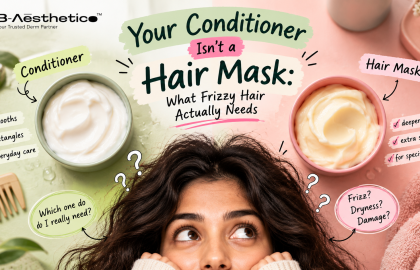
Hair Conditioner VS Hair Mask: What Frizzy Hair Actually Needs
Discover the difference between a hair mask and conditioner, when to use each for dry or...
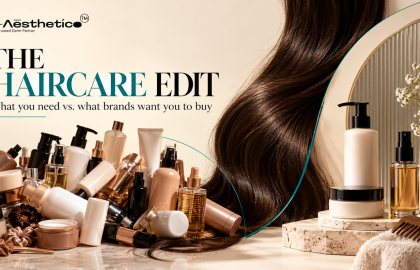
The Haircare Products You Need vs. The Ones Brands Want You to Buy
Do you really need every haircare product brands recommend? Discover which haircare products are worth buying,...

Effects of Hair Color on Your Hair: Types, Side Effects and Hair Care Tips
Does hair coloring damage your hair? Discover the effects of hair color, different types of hair...