
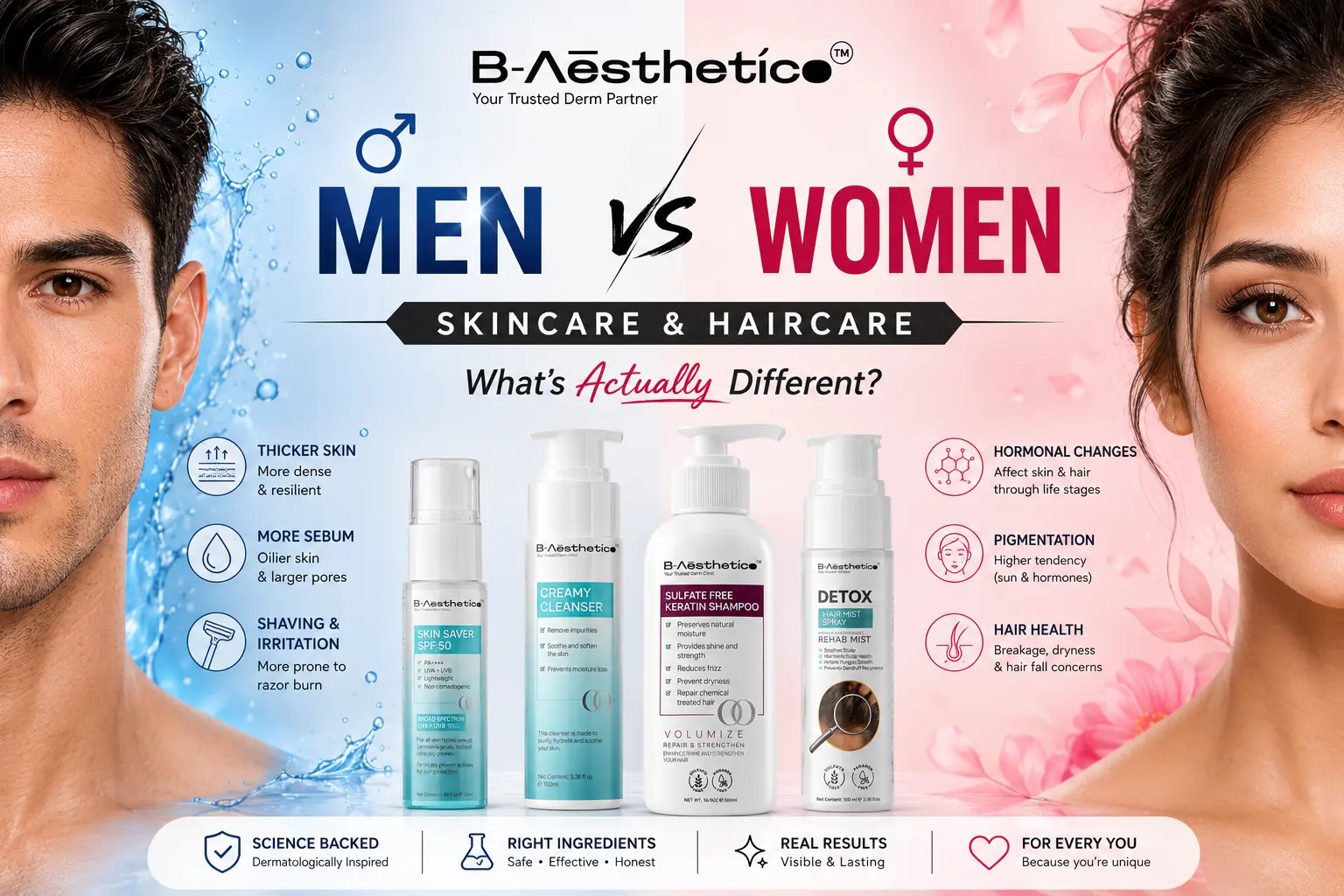
Walk into the skincare aisle and you’ll quickly notice the difference: products labelled for men on one side, products marketed to women on the other.
But how different are men’s and women’s skin really?
There are genuine biological differences. Men generally have thicker skin and tend to produce more sebum, while hormonal changes can influence women’s skin and hair in different ways. But that does notmean men need an entirely separate category of skincare, or that women automatically need a longer routine. Research also shows that individual, environmental and lifestyle factors can significantly affect these differences.
The more useful question is simpler:
What does your skin, scalp and hair actually need?
Is men's skin different from women's skin?
Yes, but not as dramatically as skincare marketing sometimes suggests.
Studies comparing male and female skin have found differences in characteristics including skin thickness, sebum production, hydration, transepidermal water loss, pigmentation and microcirculation. In general, several of these measurements tend to be higher in men, although they can vary substantially with age, environment and lifestyle.
One of the most noticeable differences is sebum production.
Androgens such as testosterone influence the sebaceous glands, which can help explain why men often have oilier skin and may be more prone to problems associated with excess oil. But "men have oily skin" is still too broad a statement.
A man can have dry or sensitive skin. A woman can have very oily, acne-prone skin.
That distinction matters when choosing products.
Why do men often have oilier skin?
Hormonal activity is a major reason.
Sebum is an oily substance produced by the skin's sebaceous glands. It contributes to the skin's protective surface, but excessive sebum can contribute to oiliness and acne. Androgen activity plays an important role in regulating sebaceous gland activity.
That is why some men prefer:
- lighter moisturizers
- less heavy-feeling sunscreens
- effective but gentle cleansing
- products suited to oily or combination skin
The important word here is gentle.
Trying to scrub or wash away every trace of oil can leave skin feeling tight and irritated. A cleanser should remove dirt, sweat, sunscreen and excess oil without turning cleansing into an assault on the skin barrier.
For a simple everyday option, B-Aesthetico's Creamy Cleanseris formulated with ingredients including hyaluronic acid, aloe vera, glycerin and probiotics and is positioned around cleansing while helping reduce moisture loss.
And that isn't a "men's cleanser." It can make sense for anyone whose skin suits the formulation.
Does thicker male skin mean men need stronger skincare?
No. Thicker skin does not mean you should automatically use stronger products.
Male skin is generally thicker, and androgens are thought to contribute to some of these structural differences.
But "thicker" does not mean "indestructible."
A common mistake is assuming that men should scrub harder, wash more aggressively or tolerate more irritation because their skin is supposedly tougher.
That isn't a useful approach.
The fundamentals remain the same: cleanse appropriately, moisturize, protect against UV exposure, and introduce targeted products only when there is a specific reason to use them.
Do men and women need different skincare products?
Usually, not simply because they are men or women.
This is probably the biggest misconception surrounding gender-specific skincare.
A product's suitability depends far more on things such as:
- skin type
- sensitivity
- acne or congestion
- pigmentation
- dryness or dehydration
- age
- climate
- shaving habits
- sun exposure
- personal preferences
That's why a man with dry, sensitive skin may have far more in common with a woman with dry, sensitive skin than with another man who has very oily, acne-prone skin.
The same principle applies to haircare.
So why do skincare brands make products "for men"?
Sometimes the formulation is genuinely tailored to a common use case. For example, a men's product might be designed around a lighter texture, post-shaving use or higher oiliness.
But sometimes the difference is mostly presentation.
A black bottle and "For Men" printed on the front does not automatically make a product biologically necessary for male skin.
Ingredients, formulation, texture and suitability for your particular skin matter much more.
This is also why a simplified routine can work extremely well. B-Aesthetico's skinimalism guidemakes a similar point: a useful routine doesn't have to mean endlessly layering products.
Does shaving change men's skincare?
Yes. Regular shaving can create an additional source of irritation.
Shaving can contribute to razor burn, irritation and ingrown hairs, particularly when the skin is dry, the razor is blunt or the hair is shaved very closely.
The American Academy of Dermatology recommends wetting the skin and hair before shaving, using shaving cream or gel, shaving in the direction of hair growth and rinsing after each pass.
A basic post-shave routine can therefore be quite simple:
Cleanse gently, moisturize, and avoid immediately piling on irritating active ingredients.
And this isn't exclusively a men's issue. Anyone who removes facial or body hair can experience shaving-related irritation.
Do hormonal changes affect women's skin and hair?
Yes. Hormones can influence both skin and hair, although the effect varies from person to person.
Female hormones can affect sebum production, pigmentation and other skin characteristics, while major hormonal transitions can influence how the skin and hair behave. Hormonal changes are also relevant to conditions such as melasma.
This is one reason a woman's skincare needs may change over time.
The key point, however, is not that women need "more products."
It is that their needs can change.
For example, someone dealing with pigmentation may need to pay more attention to UV protection and a targeted routine. B-Aesthetico's guide to pigmentation and uneven skin toneexplains some of the major contributors, including sun exposure, hormonal factors and post-inflammatory pigmentation.
Does sunscreen matter more for women?
No. Sunscreen is important for both men and women.
UV exposure contributes to photoaging and pigmentation, and long-term exposure also increases skin cancer risk. The American Academy of Dermatology recommends broad-spectrum sunscreen with SPF 30 or higher when outdoors.
This is one area where the "men's skincare vs women's skincare" distinction becomes almost irrelevant.
The better question is:
Will you use sunscreen consistently?
B-Aesthetico's Skin Saver SPF 50+++is a facial sunscreen marketed for all skin types, while the Moisturizer with SPF 30+combines moisturization and UV protection for people who prefer a simpler morning step.
The Skin Saver SPF 50+++is particularly easy to place into a straightforward daily routine: cleanse, moisturize if needed, then sunscreen.
And if you spend a lot of time outdoors, our guide to how tanning affects the skinexplains why tanning is a response to UV exposure rather than simply a cosmetic change.
What about pigmentation? Is it more common in women?
Some pigmentary conditions have stronger associations with hormonal factors, but pigmentation itself is not a "women's problem."
Men can develop tanning, sun spots, post-acne marks and other forms of uneven pigmentation too.
Sun exposure is a particularly important factor for everyone, which makes daily sunscreen relevant regardless of gender.
For someone specifically concerned about uneven tone, B-Aesthetico's Triple Action Creamcontains ingredients including vitamin C, vitamin E, niacinamide, hyaluronic acid and glutathione and is marketed for pigmentation, dark spots and uneven tone.
It fits the larger point of this article: choose the treatment according to the concern, not according to whether the bottle belongs on a men's or women's shelf.
Is haircare different for men and women?
The basic principles are much more similar than different.
Hair itself doesn't become fundamentally different because it belongs to a man or a woman.
What changes is usually the person's:
- scalp condition
- hair length
- styling habits
- chemical treatments
- heat exposure
- texture
- hormonal environment
- hair-loss concerns
For example, one woman may frequently color and heat-style her hair, while one man may have a very oily scalp and another may regularly style or chemically treat his hair.
Those are different haircare problems, but the difference isn't simply "male hair vs female hair."
B-Aesthetico's guide to repairing damaged hairdiscusses common causes such as heat, chemical treatments, pollution and improper haircare rather than treating hair damage as a gender-specific problem.
Does men's hair need a different shampoo?
Not automatically. Your scalp and hair condition are more useful guides than gender.
If the scalp gets oily quickly, you may need a cleansing routine suited to that. If the hair is dry, frizzy or damaged, an overly aggressive cleansing routine may make it feel worse.
For dry, frizzy or damaged hair, B-Aesthetico's Sulfate Free Keratin Shampoois formulated with cleansing agents plus ingredients such as panthenol, glycerin and amodimethicone, and is positioned around preserving moisture and reducing frizz.
Again, nothing about that makes it inherently "for women."
A man with dry, damaged hair can use a hair product formulated for that problem just as easily as a woman can.
What about hair masks and hair treatments?
The same rule applies.
Hair that has become dry, rough or chemically damaged may benefit from more conditioning and restorative care, regardless of gender.
B-Aesthetico's Keratin Hair Maskis positioned for damaged or frizzy hair and contains hydrolyzed keratin, biotin, collagen and several conditioning oils.
For someone whose main issue is the scalp rather than the hair lengths, the solution can be completely different.
That's why scalp care deserves separate attention. B-Aesthetico's scalp care guideexplains why buildup, oil, sweat and scalp condition can influence overall hair health.
What about dandruff?
Dandruff is a scalp concern, not a male or female concern.
Men may sometimes talk about dandruff more because of differences in scalp oil production and hair habits, but women can have it too.
If dandruff is the actual problem, look for a scalp-focused approach rather than simply buying whatever bottle is marketed toward your gender.
B-Aesthetico's Detox Hair Mistis specifically positioned around dandruff and scalp care, with ingredients including tea tree, aloe vera, panthenol and camphor.
Someone with ongoing scalp concerns may therefore be better served by thinking "What is happening to my scalp?"than "Which shampoo is made for men?"
Does men's and women's hair age differently?
Hormonal changes can influence hair differently across the sexes, but hair aging is highly individual.
Genetics, hormones, nutrition, health, styling practices and environmental exposure can all influence hair density and quality over time.
This is another reason not to reduce haircare to a gender label.
Two people of the same sex can have completely different hair concerns, while two people of different sexes may need almost identical routines.
So, what should men actually use?
A basic routine can be much simpler than the marketing suggests.
Morning
1. Cleanse
Use a cleanser suited to your skin type. The Creamy Cleanseris one option if you prefer a cleansing formula that also focuses on hydration.
2. Moisturize
Choose the texture that feels comfortable rather than choosing a product because it says "for men."
3. Sunscreen
Use a broad-spectrum sunscreen when appropriate. The Skin Saver SPF 50+++is one B-Aesthetico option.
Night
1. Cleanse
2. Add a targeted treatment if you actually need one
3. Moisturize
That's enough for many people.
And what should women actually use?
The foundation is almost identical.
Cleanse appropriately, moisturize according to skin type, use sunscreen during the day, and add targeted treatments only when there is a specific concern.
Someone dealing with pigmentation might build a more targeted routine than someone with balanced skin. Someone with sensitive skin might deliberately keep the routine simpler.
The number of products isn't what makes a skincare routine "good."
The right products, used consistently, matter much more.
Men vs women skincare: what actually matters?
Here's the simplest way to think about it:
Factor | Why it matters |
Gender | Can help explain some biological tendencies, but isn't enough to build a routine |
Skin type | Determines the textures and formulations likely to suit you |
Hormones | Can influence oil production, pigmentation and hair |
Age | Skin and hair needs change over time |
Lifestyle | Exercise, shaving, makeup, pollution and outdoor exposure all matter |
Climate | Heat, humidity and dry air can change how skin and hair behave |
Specific concern | Acne, pigmentation, dandruff, dryness or damage usually require the most targeted decisions |
That is why "men vs women skincare" is really only part of the story.
The bottom line
Men and women do have real biological differences in skin. Men's skin tends to be thicker and generally produces more sebum, while hormonal factors can influence women's skin and hair in distinctive ways.
But those differences are only one piece of the puzzle.
A man with sensitive skin should care about sensitivity. A woman with oily, acne-prone skin should care about oil and congestion. Someone with damaged hair needs a damage-focused routine. Someone with dandruff needs scalp-focused care.
Gender can explain some tendencies. Your actual skin and hair should determine your routine.
And once you start thinking that way, skincare becomes much simpler.
Frequently Asked Questions
Is men's skin thicker than women's skin?
Yes. Men's skin is generally thicker than women's skin, although the difference varies between individuals and body sites. Hormonal factors, particularly androgen activity, contribute to several sex-related differences in skin structure and function.
Do men have oilier skin than women?
Men often produce more sebum, partly because androgens stimulate sebaceous glands. However, not every man has oily skin, and individual skin type still matters more when choosing products.
Do men and women need different skincare products?
Not necessarily. Products should primarily be chosen according to skin type, sensitivity, lifestyle and the specific concern being addressed. The same cleanser, moisturizer or sunscreen can be suitable for both men and women.
Can men and women use the same sunscreen?
Yes. Sunscreen is not inherently gender-specific. Daily UV protection is relevant to everyone, and the AAD recommends broad-spectrum SPF 30 or higher for outdoor exposure. B-Aesthetico's Skin Saver SPF 50+++is marketed for all skin types.
Do men need moisturizer if their skin is oily?
Yes. Oily skin still needs hydration. The better approach is usually to choose a moisturizer that feels comfortable on oily or combination skin rather than skipping moisturizer altogether.
Does shaving damage men's skin?
Shaving can cause razor burn, irritation and ingrown hairs, particularly with poor technique. The AAD recommends wetting the skin first, using shaving cream or gel and shaving in the direction of hair growth.
Is haircare different for men and women?
The fundamentals are largely the same. Haircare should be based on scalp condition, hair texture, damage, styling habits and individual concerns rather than gender alone. B-Aesthetico's scalp care guideexplores why scalp health matters.
Do women need more skincare products than men?
No. There is no biological rule saying women need more products. The right routine is the one that addresses the individual's needs without unnecessary steps. B-Aesthetico's skinimalism articleexplains the idea of simplifying a routine around useful products.
Can men get pigmentation?
Absolutely. Sun exposure, acne-related inflammation and other factors can contribute to pigmentation in men as well as women. Our pigmentation guidecovers common causes and approaches in more detail.
Does gender matter more than skin type?
Usually, no. Gender can help explain certain biological tendencies, but skin type, hair condition, hormones, age, lifestyle, environment and the problem you're trying to solve are generally more useful when building a routine.
Latest Posts






Related Articles
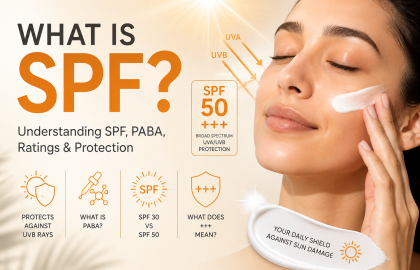
What Really Is SPF?
Have you ever looked at your sunscreen and seen the big, bold text saying, “SPF 50”?...
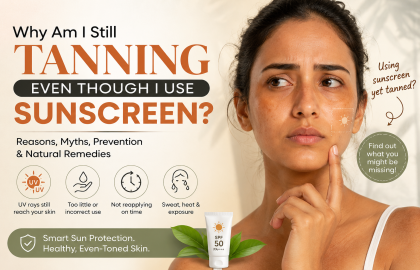
Why Am I Still Tanning Even Though I Use Sunscreen?
You bought the SPF 50. You apply it every morning. You even remember it on most...
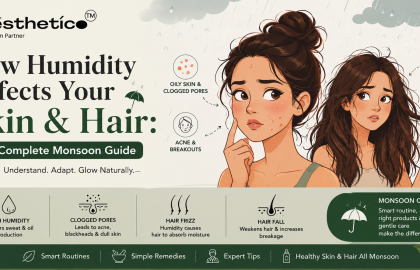
How Humidity Affects Your Skin & Hair: The Complete Monsoon Guide
Why does your face suddenly look oilier in the monsoon? Why does your scalp feel greasy...