
What Really Is SPF?
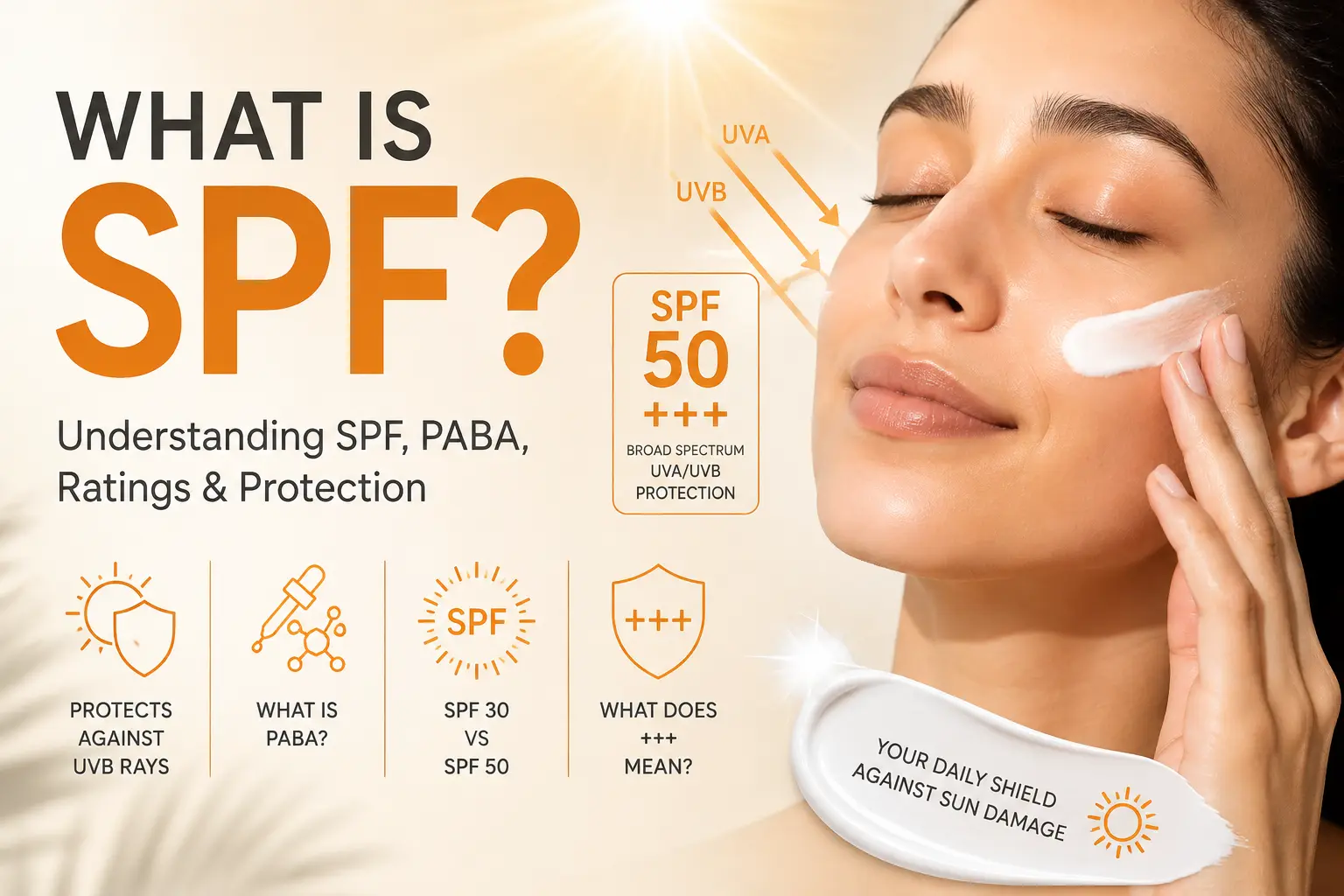
Have you ever looked at your sunscreen and seen the big, bold text saying, “SPF 50”? Have you ever wondered what it really is?
We know that sunscreen is important. We know we should apply it before stepping outside. We may even know that “higher SPF” sounds better.
But what does SPF really mean?
Does SPF 50 protect twice as much as SPF 25? Does a higher SPF mean you can stay in the sun longer? And is there any way to check at home whether a sunscreen labelled SPF 50 is really what it says it is?
What Does SPF Stand For?
SPF stands for Sun Protection Factor.
In simple terms, SPF tells us how effectively a sunscreen protects the skin against UVB radiation, which is strongly associated with sunburn.
This is why you see numbers such as SPF 30, SPF 50 and SPF 50+printed prominently on sunscreen bottles.
But SPF isn't the entire story of sun protection.
The American Academy of Dermatology (AAD)recommends choosing a sunscreen that is SPF 30 or higher, broad-spectrum and water resistant when appropriate.
And if you're mainly concerned about tanning, pigmentation or uneven skin tone, the broad-spectrum part becomes particularly important.
You can read more about pigmentation in our guide to Pigmentation: Causes, Effects on Skin & Best Treatment for Clear Skin.
What Is the Difference Between SPF 30 and SPF 50?
One of the biggest misconceptions about sunscreen is that SPF 50 must be almost twice as powerful as SPF 30.
It isn't.
Approximately:
SPF | UVB radiation filtered |
SPF 15 | 93% |
SPF 30 | 97% |
SPF 50 | 98% |
SPF 50 is not twice as protective as SPF 25 or SPF 30.
The difference between SPF 30 and SPF 50 may look small on paper, but a higher SPF can provide an additional margin of protection, particularly when sunscreen application isn't perfect.
A carefully applied SPF 30can be more useful than an SPF 50that you barely apply.
For people who spend a lot of time outdoors, an SPF 50 product such as B-Aesthetico Skin Saver SPF 50+++can be a convenient choice for a higher-SPF daily sunscreen.
Does SPF 50 Mean You Can Stay in the Sun 50 Times Longer?
No.
SPF is not a timer.
SPF 50 doesn't mean you can stay outside for 50 times longer than you could without sunscreen.
Sunscreen can also become less evenly distributed because of sweating, swimming, rubbing, wiping your face and everyday activity.
The AAD recommends reapplying sunscreen approximately every two hours when outdoors, as well as after swimming or sweating.
B-Aesthetico's Skin Saver SPF 50+++likewise recommends reapplication during prolonged sun exposure.
What Does Broad-Spectrum Mean?
Here's where sunscreen labels become more interesting.
SPF mainly tells you about UVB protection.
But sunlight contains both UVA and UVB radiation, so a good sunscreen isn't just about the SPF number.
UVA
UVA is associated with photoaging, tanning and pigmentation.
UVB
UVB is strongly associated with sunburnand also contributes to long-term UV damage.
This is why choosing broad-spectrum sunscreenmatters. Broad-spectrum protection is designed to protect against both UVA and UVB.
The AAD explains broad-spectrum sunscreen and how to read sunscreen labelsin more detail.
And if you've ever wondered why you continue getting darker despite using sunscreen, we've actually written a dedicated article on it:
Why Am I Still Tanning Even Though I Use Sunscreen?
You can also read our detailed Ultimate De-Tanning Guide, which explains why tanning happens and why preventing further UV exposure is such an important part of tan care.
What Does PA+++ Mean?
You may have seen sunscreen labels containing something like:
SPF 50 PA+++
Here's the easy way to remember it:
SPF → mainly UVB protection
PA → UVA protection
The PA system uses plus signs to indicate increasing levels of UVA protection.
So PA+++indicates a higher level of UVA protection than PA++.
Why Is Sunscreen Important for Tanning and Pigmentation?
Let's say your main goal isn't avoiding sunburn.
Maybe your problem is:
“I keep tanning.”
Or:
“My pigmentation keeps coming back.”
That's where sunscreen becomes even more important. UV exposure can stimulate melanin production, contributing to tanning and pigmentation.
Our Ultimate De-Tanning Guideexplains how UV exposure triggers tanning and why preventing additional exposure is essential.
We've also covered pigmentation in detail in Pigmentation: Causes, Effects on Skin & Best Treatment for Clear Skin.
So sunscreen isn't merely about preventing a red, painful sunburn.
Daily sun protection is also part of maintaining more even-looking skin over time.
How Much Sunscreen Should You Apply?
This is one of the easiest ways to accidentally reduce your sunscreen protection.
The SPF printed on the bottle is based on standardized testing conditions.
If you use considerably less sunscreen than the amount used during testing, you should not expect the same level of protection.
The AAD recommends applying sunscreen generously to exposed skin.
And don't forget the areas people commonly miss:
Neck. Ears. Hairline. Hands.
A sunscreen cannot protect skin that isn't actually covered.
For B-Aesthetico users, the Skin Saver SPF 50+++is designed for application to the face, neck and other exposed body areas.
Can You Test SPF at Home?
This question has become especially popular because of instagram reels showing people “testing” sunscreen with UV cards and cameras.
But here's the catch:
You cannot reliably determine SPF 30 or SPF 50 with a simple home experiment.
UV cards, UV cameras and similar demonstrations may show that a sunscreen interacts with UV radiation.
They cannot accurately tell you whether a sunscreen is SPF 50 or not
Actual SPF determination requires standardized testing. ISO 24444:2019specifies an in-vivo method for determining the sun protection factor of sunscreen products.
So if you see a viral video claiming that a UV camera has proved a sunscreen is SPF 50, treat that claim carefully.
A home experiment is not a substitute for standardized SPF testing.
Can You Still Tan While Wearing SPF 50?
Yes.
This surprises a lot of people.
Sunscreen does notblock 100% of UV radiation, and real-life sunscreen application is rarely perfect.
You may also apply too little, forget to reapply, sweat heavily or spend much longer in the sun than expected.
That's why SPF 50 does not guarantee that you will never tan.
For a deeper explanation, read:
Why Am I Still Tanning Even Though I Use Sunscreen?
And for existing tan and sun-exposed skin, see our Ultimate De-Tanning Guide.
Do You Need Sunscreen Every Day?
Sunscreen doesn't have to be reserved for holidays, beaches and extremely sunny days. It can simply become part of your morning skincare routine.
A simple routine could be:
Cleanser → Serum/Treatment → Moisturizer → Sunscreen
Or, if you'd prefer fewer steps:
Cleanser → Moisturizer with SPF
That's exactly where a product such as B-Aesthetico Moist Hydrator With SPF 30+can fit into a simplified morning routine.
It combines moisturizing ingredients including glycerin, niacinamide, panthenol and hyaluronic acidwith SPF 30+ protection.
This fits nicely with our philosophy discussed in Skinimalism: Why More Skincare Professionals Are Replacing 5 Products With Just 1.
The best routine isn't necessarily the one with the most products. It's the one you can actually follow consistently.
SPF 50 Sunscreen vs Moisturizer With SPF 30+
So which should you use?
It depends on what you want from your morning routine.
Skin Saver SPF 50+++
A dedicated SPF 50 sunscreendesigned for daily UV protection. A useful choice when your priority is a higher SPF sunscreen.
Moist Hydrator With SPF 30+
A moisturizer + SPFoption designed to combine hydration and sun protection in one step. A convenient option when you prefer a simpler skincare routine.
Neither approach automatically makes someone “better” at skincare.
Consistency matters.
Frequently Asked Questions
What does SPF stand for?
SPF stands for Sun Protection Factor.It primarily measures how effectively a sunscreen protects against UVB radiation. The AAD's sunscreen guideexplains the different information found on sunscreen labels.
For more on the difference between protection and tanning, read Why Am I Still Tanning Even Though I Use Sunscreen?.
Is SPF 50 better than SPF 30?
SPF 50 provides somewhat more UVB protection than SPF 30, but it is not twice as protective. SPF 30 filters approximately 97% of UVB, while SPF 50 filters approximately 98%.
You can compare both B-Aesthetico options here: Skin Saver SPF 50+++and Moist Hydrator With SPF 30+.
Does SPF 50 mean I can stay outside longer?
No. SPF is not a timer.Sunscreen can wear away because of sweating, swimming, rubbing and other activities, so reapplication is important. The AAD explains when and how to reapply sunscreen.
What does PA+++ mean?
PA+++ indicates a level of UVA protectionin the PA rating system. It is different from SPF, which primarily measures UVB protection.
If your main concern is pigmentation, see our Pigmentation Guide.
Can I test whether my sunscreen is SPF 50 at home?
Not reliably. UV cameras, UV cards and other DIY experiments can demonstrate UV attenuation, but they cannot accurately determine an SPF number. Standardized testing, such as the method specified by ISO 24444, is used for SPF determination.
Can I still get tanned while using SPF 50?
Yes. Sunscreen reduces UV exposure but doesn't block 100% of UV radiation. Amount applied, reapplication and exposure time all matter.
Read our dedicated article: Why Am I Still Tanning Even Though I Use Sunscreen?.
Does sunscreen help with pigmentation?
Sun exposure can contribute to increased pigmentation and uneven skin tone. Daily sun protection is therefore an important part of a pigmentation-focused skincare routine.
Read Pigmentation: Causes, Effects on Skin & Best Treatment for Clear Skin.
Should I use SPF in winter?
Sunscreen isn't only for hot summer days. UV exposure still occurs during daylight hours, so sunscreen can remain part of your daily routine throughout the year.
Our article When the Weather Won't Decide — Why Your Skin Suffersalso explores how changing weather and environmental exposure can affect your skin.
Is moisturizer with SPF enough?
A moisturizer containing SPF can be a convenient part of a morning skincare routine. B-Aesthetico's Moist Hydrator With SPF 30+combines moisturization with SPF protection.
For situations involving prolonged outdoor exposure, make sure you're applying enough sunscreen and reapplying as needed.
Which is better: SPF 30 or SPF 50?
Both can provide useful protection when used correctly. SPF 50 offers a higher SPF rating, while SPF 30 can still provide strong UVB protection.
Whether you choose a dedicated sunscreen such as B-Aesthetico Skin Saver SPF 50+++or prefer a simplified routine with Moist Hydrator With SPF 30+, what matters most is making sun protection a habit.
Because when it comes to sunscreen, consistency beats complexity.
Read Next
Why Am I Still Tanning Even Though I Use Sunscreen?
How to Remove Tan Effectively: The Ultimate De-Tanning Guide
Pigmentation: Causes, Effects on Skin & Best Treatment for Clear Skin
Skinimalism Explained: Why More Skincare Professionals Are Replacing 5 Products With Just 1
When the Weather Won't Decide — Why Your Skin Suffers
Shop B-Aesthetico Sun Protection
Latest Posts



Related Articles
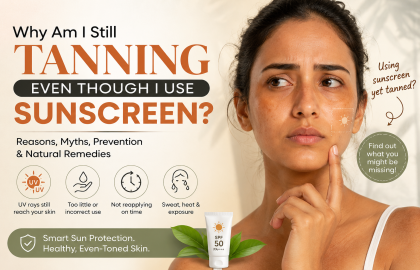
Why Am I Still Tanning Even Though I Use Sunscreen?
You bought the SPF 50. You apply it every morning. You even remember it on most...
How Humidity Affects Your Skin & Hair: The Complete Monsoon Guide
Why does your face suddenly look oilier in the monsoon? Why does your scalp feel greasy...

How to Remove Tan Effectively: The Ultimate De-Tanning Guide (2026)
Sun exposure can leave your skin looking darker, uneven, and dull. Learn what causes tanning, how...